How Commercial Architects Can Change Your Service Space With Specialist Layout Solutions
Commercial architects play a crucial role in improving business environments. Their know-how in layout can greatly improve both functionality and looks. By creating rooms that mirror a brand name's identification, they improve operational performance and employee satisfaction. Nevertheless, the impact of their job expands beyond mere look. Understanding the subtleties of collaboration and sustainability can bring about transformative outcomes. What specific elements make these transformations successful?
Comprehending the Role of Commercial Architects
Commercial architects play a necessary role in shaping organization environments that are both functional and aesthetically pleasing. They focus on creating rooms tailored to the details requirements of organizations, making sure that every square foot is made use of successfully. These specialists incorporate components such as spatial format, lighting, and materials to improve performance and employee well-being. By teaming up with customers, commercial architects collect understandings right into functional requirements and brand name identification, translating these right into cutting-edge designs.Additionally, they navigate intricate structure codes and zoning regulations, making certain compliance while optimizing design capacity. Their know-how prolongs to sustainability techniques, promoting energy performance and eco friendly materials in their projects. Through their creative vision and technological expertise, industrial architects not just develop enticing spaces but likewise foster settings that advertise cooperation and growth. Ultimately, their contributions substantially influence the overall success and photo of a service.
Advantages of Expert Layout Solutions

Customizing Areas to Your Brand Identification
Customizing spaces to a brand name's identity is vital for sharing its core worths and goal. Commercial architects play an essential duty in improving a service's aesthetic identity through thoughtful design choices. By aligning building elements with brand concepts, business can develop environments that resonate with customers and employees alike.
Mirroring Brand Values
How can a properly designed space personify a firm's core values? Commercial architects play a crucial duty in forming settings that reverberate with a brand's identity. By incorporating elements such as color design, products, and formats, they create areas that show the significance of the company. A tech company may choose for open layouts and contemporary home furnishings to communicate development and cooperation, while a high-end brand might pick sophisticated coatings and intimate areas to evoke exclusivity and refinement. Thoughtful style not only enhances performance yet also fosters a strong link between employees, customers, and the brand. Eventually, a well-crafted setting functions as a tangible depiction of a business's objective and vision, strengthening its worths at every touchpoint.
Enhancing Aesthetic Identity
What elements can successfully elevate a brand's visual identity within an industrial area? Commercial architects play a pivotal function in integrating design features that reverberate with a firm's principles. Shade systems, typography, and products can be strategically chosen to mirror brand name worths while making certain aesthetic charm. Additionally, incorporating logo designs and brand name imagery right into the architecture can produce a natural visual narrative. Illumination design can further improve the environment, assisting client understandings and experiences (commercial architects). Format and furnishings options should line up with the brand name's individuality, whether it's modern, typical, or cutting-edge. Inevitably, a properly designed commercial space not only brings in customers however likewise enhances brand recognition, producing a long-term impression that fosters loyalty and involvement
Enhancing Performance and Performance
Enhancing performance and effectiveness in commercial rooms involves enhancing space utilization and creating operations that streamline operations. Architects concentrate on creating designs that reduce lost space while promoting smooth adjustments between tasks. This approach not only improves efficiency but likewise adds to a much more cohesive workplace.
Enhancing Space Application
Efficient room usage is a crucial aspect in business style, where the layout should balance aesthetic appeals with functionality (commercial architects). Architects utilize various strategies to make the most of available square video footage while making sure that each area offers an unique objective. By analyzing workflow, web traffic patterns, and customer demands, architects can develop formats that boost both worker productivity and customer experience. Multi-functional areas, flexible furniture arrangements, and maximized storage space options are essential elements in attaining this objective. In addition, integrating natural light and open areas promotes a more inviting atmosphere, additional raising the energy of the setting. Ultimately, effective space application not only boosts operational effectiveness yet likewise contributes favorably to the overall brand photo, making it a vital consideration in industrial style
Streamlined Process Layout
Exactly how can a well-designed operations change a business space right into a center of productivity? Structured workflow layout concentrates on enhancing the physical format and operational processes within an organization environment. By purposefully setting up workstations, conference locations, and resources, architects can eliminate unnecessary motion and improve cooperation. This thoughtful design minimizes disturbances and promotes communication, permitting staff members to focus on their tasks more efficiently. On top of that, incorporating innovation right into the workflow can even more automate procedures, minimizing time spent on regular tasks. Therefore, organizations experience improved worker spirits and boosted output, creating a dynamic ambience that promotes development. Eventually, investing in streamlined workflow design not only important link enhances capability yet likewise positions an industrial space for lasting development and success.
Promoting Cooperation With Design
Although modern-day work spaces usually focus on individual performance, the style of business areas increasingly stresses collaboration as a crucial chauffeur of innovation and group cohesion. Architects play an important function in developing atmospheres that cultivate communication among workers. Open up layouts, multifunctional rooms, and strategically placed common locations motivate spontaneous discussions and brainstorming sessions.Incorporating components such as movable furnishings and adaptable conference room enables groups to reconfigure areas based upon their joint requirements. Additionally, incorporating technology, like interactive white boards and video conferencing devices, boosts the capability to interact effectively, despite location.Natural light and biophilic design aspects additionally add to a more inviting environment, advertising comfort and wellness, which are important for efficient you can try these out team effort. By concentrating on these facets, business architects can develop vibrant environments that not only boost collaboration however also drive total company success.
Lasting Design Practices in Commercial Style
Situation Researches: Successful Improvements by Commercial Architects
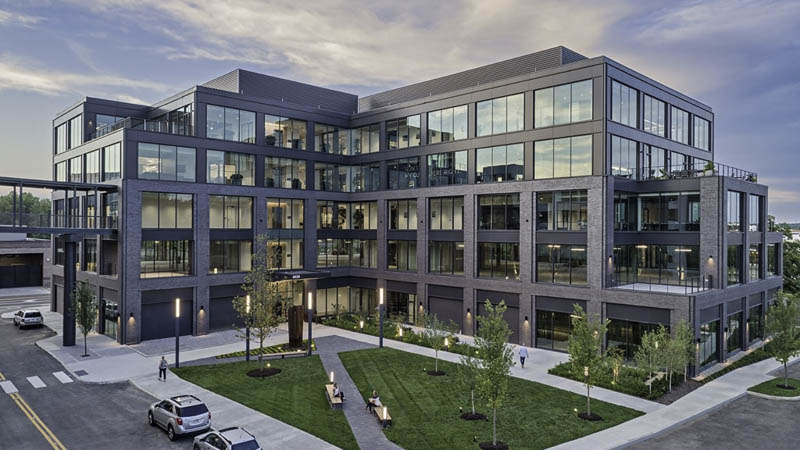
The execution of this sustainable style methods has not only reshaped the strategy to commercial style yet has actually likewise resulted in remarkable makeovers in various organization spaces. One notable situation is the redesign of a technology company's head office, where architects integrated all-natural light and environment-friendly walls, leading to improved worker wellness and productivity. This improvement decreased energy prices by 30% and enhanced the company's public image.In an additional circumstances, a retail store went through a full overhaul, utilizing reclaimed materials and energy-efficient systems. This not only attracted eco-conscious consumers but additionally boosted foot traffic by 25%. A 3rd situation involved a business office that welcomed an open-plan format with adaptable offices, fostering cooperation amongst teams. The architects' focus on developing a vibrant and versatile setting considerably improved worker satisfaction. These study exemplify exactly how industrial architects can produce impactful spaces that straighten with service goals and sustainability efforts.
Regularly Asked Questions
Just How Much Do Commercial Architecture Provider Commonly Expense?
The price of commercial style solutions varies widely, usually varying from $100 to $250 per hour. Aspects influencing rates consist of task intricacy, place, and the designer's experience, making it crucial for services to acquire comprehensive estimates.
What Kinds Of Businesses Benefit A Lot Of From Commercial Architects?
Various companies, including retail, hospitality, and company workplaces, greatly benefit from business architects. These professionals enhance performance, aesthetic appeals, and brand identity, making sure rooms are optimized for consumer interaction and employee efficiency, eventually fostering service development.
How much time Does a Commercial Layout Job Usually Take?
The timeline for a commercial layout project typically varies from several weeks to numerous months. Aspects affecting duration consist of task complexity, governing approvals, and cooperation amongst stakeholders, every one of which can affect general conclusion time.
Can I Hire a Business Designer for Restorations Just?
Yes, hiring a business architect for remodellings is possible. Numerous architects concentrate on renovation jobs, giving proficiency in maximizing existing rooms while sticking to regulations and improving functionality, aesthetics, and general value of the company setting.
What Qualifications Should I Look for in a Business Designer?

Comments on “How Do commercial architects the Backbone of Contemporary Building Projects?”